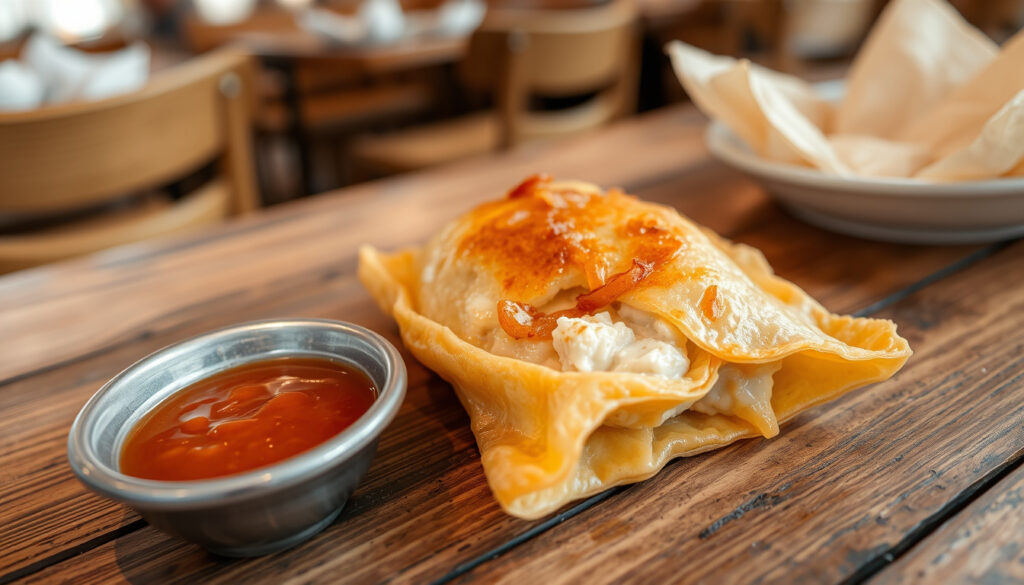
Best Api con Pastel Near Me: Menu, Recipe, and Where to Find It
There’s something special about starting the day with a warm, sweet drink and a crispy cheese pastry. In Bolivia, that’s exactly what api con pastel delivers—a purple corn beverage paired with a fried pastel de queso. If you’ve been searching for the best api con pastel near me, this guide covers the menu, how to make it at home, and other Bolivian breakfast classics you’ll want to try.
Dish type: Bolivian breakfast drink and pastry · Main ingredient: Purple corn (maíz morado) · Accompaniment: Cheese-filled fried pastry (pastel de queso) · Typical origin cities: La Paz and Cochabamba · Estimated calories per serving: 300–400 kcal
Quick snapshot
- Purple corn drink (Amigo Foods – Bolivian food blog)
- Served with cheese-filled pastry (Vianca That Vagabond – travel blog)
- Traditional Bolivian breakfast (Amigo Foods on Bolivian breakfasts)
- Sweet and spiced flavor (El Gourmet – cooking site)
- Street stalls in La Paz and Cochabamba (Gastronomía Bolivia – recipe site)
- Local Bolivian restaurants (Chile to Mexico – travel site)
- Search Google Maps for “api con pastel near me” (Gastronomía Bolivia – recipe site)
- Check delivery apps like Uber Eats or PedidosYa (Ireland Headline – search trend analysis)
- Boil purple corn with cinnamon and cloves (A Travel Blog – recipe)
- Blend and strain for smooth texture (El Gourmet – preparation steps)
- Prepare dough with flour, butter, cheese (Recetas Bolivia – dough method)
- Fry pastries until golden (El Gourmet – frying instructions)
- Silpancho – breaded beef cutlet
- Pique macho – spicy beef and sausage
- Sopa de maní – peanut soup
Here is a quick reference table with the essential facts about this breakfast duo.
| Attribute | Details |
|---|---|
| Dish Name | Api con Pastel |
| Origin | Bolivia (especially La Paz and Cochabamba) |
| Main Ingredient | Purple corn (maíz morado) |
| Serving | Warm drink with a cheese-filled pastry |
| Common Accompaniment | Fried cheese empanada or pastel de queso |
| Typical Price (Bolivia) | 10–20 Bolivianos (~$1.50–$3 USD) |
What is on the menu at the best api con pastel near me?
Api con pastel is a breakfast duo that costs under $3 in Bolivia. Gastronomía Bolivia (Bolivian recipe site) confirms the drink comes from maíz morado, while the pastry is fried and cheese-filled.
Typical menu items at api con pastel spots
- Api morado – purple corn drink, sometimes with cinnamon and cloves (Amigo Foods – ingredient breakdown)
- Pastel de queso – cheese-filled fried pastry (Vianca That Vagabond – pastry description)
- Variants with meat or vegetable fillings reported on Travel Addict (travel site)
- Often dusted with powdered sugar (El Gourmet – serving suggestion)
How to find delivery options for api con pastel
- Use Google Maps and search “api con pastel near me”
- Check food delivery apps like PedidosYa (popular in Latin America)
- Searching “best api con pastel near me” yields mostly personal blogs and social posts (Ireland Headline – search trend analysis)
- Delivery availability outside major Bolivian cities is unverified (Chile to Mexico – regional coverage note)
What drinks and pastries are usually included?
- The drink is api, made from purple corn flour, water, cinnamon, and cloves (A Travel Blog – recipe details)
- The pastry is pastel de queso – wheat dough filled with queso fresco or mozzarella and fried (El Gourmet – cheese pastry method)
- Some vendors add ground anise for extra spice (A Travel Blog – optional ingredient)
The trade-off: you get a cheap, authentic breakfast – but only if you’re in a city with a Bolivian food presence. Outside Bolivia, delivery options vanish.
How to make api con pastel at home?
Purple corn flour is the key ingredient – it’s available online or in Latin markets. Without it, you lose the distinct sweet-corn flavor that defines api.
Ingredients needed for api con pastel
- For the drink: Purple corn flour (maíz morado), water, cinnamon sticks, cloves, sugar (El Gourmet – ingredient list)
- For the pastry: All-purpose flour, salt, butter or shortening, warm water, queso fresco or mozzarella, oil for frying (Recetas Bolivia – dough recipe)
- Optional: powdered sugar for dusting (El Gourmet – finishing touch)
Step-by-step preparation of the purple corn drink
- Boil 4 cups of water with 2 cinnamon sticks and 3 cloves for 5 minutes.
- Dissolve ½ cup purple corn flour in 1 cup cold water, then stir into the boiling spiced water.
- Simmer for about 15 minutes, stirring frequently, until it thickens – it should be smooth and lump‑free (El Gourmet – cooking time).
- Add sugar to taste (typically 3–4 tablespoons).
- Blend the mixture and strain if you prefer a silky texture (A Travel Blog – straining tip).
How to make the cheese pastry (pastel de queso)
- Mix 2 cups flour, ½ tsp salt, and ¼ cup melted butter (or shortening). Add enough warm water to form a soft dough (Recetas Bolivia – basic dough).
- Let the dough rest for 30 minutes (El Gourmet – rest time).
- Divide into about 16 pieces. Roll each into a thin circle.
- Place a cube of queso fresco or mozzarella in the center, fold, and seal the edges.
- Fry in hot oil (350°F/175°C) until golden brown on both sides (El Gourmet – frying guide).
- Serve immediately, sprinkled with powdered sugar if desired.
Tips for the perfect texture and flavor
- Use maíz morado flour specifically – regular corn flour changes the taste (Amigo Foods – ingredient note).
- Don’t skip the dough rest; it makes the pastel flakier.
- Fry in batches to keep oil temperature steady.
- Api should be thick enough to coat the back of a spoon – add more corn flour if too thin.
What is Silpancho?
Traditional ingredients and preparation
- Breaded beef cutlet (pounded thin) (Amigo Foods – Bolivian dishes)
- Served with white rice, boiled potatoes, and a fried egg on top
- Often accompanied by a fresh tomato-and-onion salsa (llajwa)
How Silpancho differs from api con pastel
- Silpancho is a hearty lunch/dinner dish, not a breakfast drink‑and‑pastry combo
- Api con pastel is sweet and fried; Silpancho is savory and includes starch, protein, and vegetables
- Both are popular in Cochabamba and La Paz (Gastronomía Bolivia – regional note)
Where to find Silpancho near you
- Bolivian restaurants in the US (e.g., Virginia, California) sometimes list it
- Search “Silpancho near me” on Google Maps
- Delivery via Uber Eats is possible in cities with large Bolivian communities
The catch: Silpancho is even rarer on US menus than api con pastel. Your best bet is a Bolivian community event or home cooking.
What is Pique macho?
Key ingredients and heat level
- Chopped beef, chorizo, and hot peppers (locoto) (Amigo Foods – dish profile)
- Served with french fries and boiled eggs
- Known for high spice – locoto peppers are comparable to habanero in heat
How it is served and eaten
- Often shared as a large platter for two or more
- Eaten with a fork and spoon, mixing the fries into the meat
- Commonly paired with a cold beer to temper the heat
Similarities and differences with api con pastel
- Both are street‑food classics from Cochabamba (Gastronomía Bolivia – origin)
- Api con pastel is sweet and mild; Pique macho is spicy and savory
- Different meal times: api = breakfast; pique = lunch/dinner
The implication: if you love spicy food, Pique macho is the dish to try – but it won’t replace your api con pastel craving.
What is Sopa de maní?
Ingredients and preparation method
- Peanut base, often with beef, potatoes, carrots, and celery (Amigo Foods – soup description)
- Peanuts are ground and blended into a creamy broth
- Simmered with garlic, onion, and regional spices
When it is typically eaten
- As a starter or main course for lunch or dinner
- Hearty enough to be a meal on its own
- Popular in the highlands during colder months
How it compares to other Bolivian soups
- Thicker than most broths, almost stew-like
- Milder than Pique macho but richer than api
- Often served with a side of bread or fried yuca
The pattern: Sopa de maní shows how versatile Bolivian cuisine is – from sweet breakfast drinks to creamy peanut soups.
Pros and Cons of api con pastel
Upsides
- Authentic taste of Bolivian street food culture
- Low cost – typically under $3 USD in Bolivia (Chile to Mexico – price reference)
- Easy to make at home with accessible ingredients
- Naturally dairy‑free in the drink (api uses water, not milk)
Downsides
- Hard to find outside Bolivia – few restaurants serve it
- Delivery availability is hit‑or‑miss (Ireland Headline – search data)
- Fried pastry is not low‑calorie (300–400 kcal per serving)
- Nutritional data is unverified by official sources (Amigo Foods – no nutrition label)
What we know and what remains unclear
Confirmed facts
- Api con pastel is a breakfast dish in Bolivia (Amigo Foods – meal timing)
- It is made from purple corn and served with a cheese pastry (Vianca That Vagabond – description)
- Popular in La Paz and Cochabamba (Gastronomía Bolivia – region)
What’s unclear
- Exact nutritional values vary by recipe and vendor
- Delivery availability outside major Bolivian cities is unverified
- Exact prices outside Bolivia are unknown – no data from international vendors
What others say about api con pastel
“Api con pastel is a breakfast delicacy. It is absolutely amazing.”
Vianca That Vagabond – food blogger
“I’ll be dreaming about Api con Pastel foreverrrr now.”
Instagram user (@travel_food_la_paz – reel from La Paz, 2024)
For anyone craving an authentic Bolivian breakfast outside Bolivia, the choice is clear: learn to make api con pastel at home, or plan a trip to La Paz. The drink alone takes 15 minutes; the pastry adds another 30. Either way, it’s a taste of street‑food culture you won’t find on most delivery apps.
Frequently asked questions
Is api con pastel vegetarian?
The drink (api) is vegetarian. The pastry is typically filled with cheese, so it’s lacto‑vegetarian. Verify with the vendor if the dough uses lard.
Can I make api con pastel without purple corn?
Purple corn flour (maíz morado) is essential for the authentic flavor. Substituting regular corn flour produces a different taste and color.
What is the difference between api and atole?
Both are corn‑based drinks, but api uses purple corn and Bolivian spices (cinnamon, cloves). Atole is Mexican, typically white or yellow corn, and often thicker.
How long does api con pastel stay fresh?
The drink is best fresh but can be refrigerated for up to 2 days. Pastries lose crispness after a few hours; reheat in an oven or air fryer.
Are there vegan versions of api con pastel?
The drink is vegan (water, corn, spices). For the pastry, use vegan butter and plant‑based cheese substitute – the texture may differ.
What is the best time of day to eat api con pastel?
Traditionally breakfast (7–10 AM), but some accounts mention it as an afternoon snack (Chile to Mexico – meal timing).
Does api con pastel contain caffeine?
No. The drink is made from purple corn, not coffee or tea. It is caffeine‑free.
Can I get api con pastel outside Bolivia?
Rarely. Some Bolivian restaurants in the US (e.g., in Virginia, California) may offer it on request. Most people make it at home.
More related posts
 สล็อต m.pglucky88.win: Verified Facts and Risks
 Liverpool F.C. vs Barnsley F.C. Timeline: H2H & Results
 One Foot in the Grave: Meaning, Cast, Episodes, FAQs
 FC Barcelona vs Real Madrid Lineups: Predicted XI (10 May 2026)
 Rose Byrne Movies and TV Shows – Full List and Highlights
 BBC Weather Northern Ireland: 7-Day, 14-Day, Hourly Forecasts
 La Liga Standings 2024/25: Final Table and Results
 Non-Contributory Pension Means Test – UK Eligibility and Rates 2025