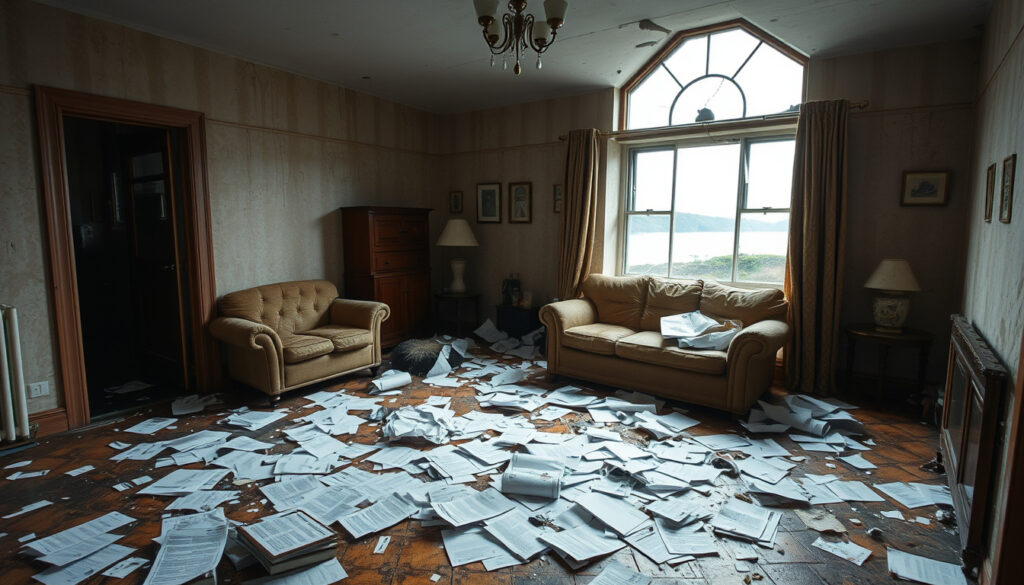
Declan Breslin Donegal Tenancy Damages – Case Breakdown
A landlord in County Donegal has been ordered to pay €15,000 in damages after a tribunal found he unlawfully terminated a residential tenancy. The ruling from the Residential Tenancies Board (RTB) highlights ongoing tensions between landlord rights and tenant protections under Irish law.
Declan Breslin, a property owner from Donegal, faced legal action after ending a tenancy and moving his family into the property. The case drew attention to the legal mechanisms available to tenants when landlords fail to follow proper procedures. The tribunal’s decision represents one of the more significant damages awards in recent tenancy dispute cases in the northwest of Ireland.
The ruling comes amid broader discussions about housing rights and the responsibilities of both tenants and landlords under residential tenancy legislation. Legal experts have pointed to this case as an example of how tribunals interpret the balance between property owners’ intentions and tenant security of tenure.
What is the Declan Breslin Donegal Tenancy Damages Case?
The case centres on Declan Breslin, a landlord operating in the Donegal area, who terminated a tenancy and subsequently moved his immediate family into the property. The Residential Tenancies Board conducted a tribunal hearing to examine whether the termination followed legally required procedures and whether the stated grounds for ending the tenancy were legitimate.
This tribunal case represents a formal dispute resolution process conducted under the Residential Tenancies Acts. The RTB handles landlord-tenant disputes across Ireland and has authority to award damages and order compliance with tenancy legislation.
During the proceedings, evidence indicated that while Breslin claimed the property was needed for family occupation, the arrangement that followed raised questions about the genuine intent behind the termination. The tenant who was removed from the property was replaced on a short-term basis by Breslin’s daughter, who only remained briefly.
The tribunal examined documentation related to the tenancy, communications between the parties, and the circumstances surrounding the move-out. According to available records, the key issue centred on whether proper notice procedures were followed and whether the stated justification for termination could be substantiated.
The Residential Tenancies Board operates as a quasi-judicial body responsible for resolving disputes between landlords and tenants. Tribunal decisions can include orders for monetary damages, compliance requirements, and in some cases, penalties.
Key Facts About the Case
The following grid outlines the essential elements of the tribunal decision:
| Element | Details |
|---|---|
| Case Summary | Landlord Declan Breslin found to have unlawfully terminated a tenancy |
| Damages Amount | €15,000 awarded to the former tenant |
| Additional Order | €500 further payment ordered by tribunal |
| Court Location | Donegal, County Donegal |
| Ruling Body | Residential Tenancies Board (RTB) |
| Primary Ground Cited | Family reoccupation of property |
Tenant Rights Implications
The case underscores the protections afforded to tenants under Irish residential tenancy law. Landlords seeking to terminate tenancies must demonstrate valid grounds and follow prescribed procedures. When these requirements are not met, tribunals have authority to award compensation to affected tenants.
Legal observers have noted that the damages awarded in this case reflect the seriousness with which the RTB treats improper tenancy terminations. The award of €15,000 represents a substantial sum, suggesting the tribunal found significant harm resulted from the unlawful action.
Under the Residential Tenancies Acts, tenants are entitled to security of tenure. Landlords wishing to end tenancies must provide valid reasons and adhere to notice periods and documentation requirements.
What Damages Were Involved in the Case?
The tribunal ordered Declan Breslin to pay €15,000 in damages to the former tenant whose tenancy was unlawfully terminated. This amount was determined based on the circumstances of the case, including the impact on the tenant and the nature of the landlord’s failure to follow proper procedures.
In addition to the €15,000 damages award, the tribunal ordered Breslin to pay a further €500. The specific purpose of this additional amount was not detailed in the available records, though tribunal orders sometimes include separate categories for costs or specific categories of loss.
The total financial liability of €15,500 represents a significant penalty in the context of residential tenancy disputes. Such awards serve as deterrents against landlords who might otherwise proceed with terminations without proper legal justification.
Understanding the Damages Calculation
When RTB tribunals assess damages in tenancy termination cases, they consider several factors. These include the length of the tenancy, the circumstances leading to the termination, any financial losses suffered by the tenant, and the manner in which the landlord conducted the termination process.
In this instance, the tribunal determined that the termination was not justified on the grounds claimed. Evidence suggesting the property was not genuinely required for family reoccupation appears to have influenced the decision significantly.
Financial Impact on Both Parties
The damages award of €15,000 creates substantial financial consequences for the landlord. Combined with the additional €500 order, the total liability represents a meaningful enforcement of tenant rights in practice.
For tenants, such awards provide both financial compensation and a signal that unlawful terminations will not be tolerated. The prospect of significant damages awards encourages landlords to ensure their actions comply fully with tenancy legislation.
What Was the Outcome of the Donegal Tenancy Tribunal?
The Residential Tenancies Board tribunal issued its ruling against Declan Breslin, finding the landlord had unlawfully terminated the tenancy. The decision resulted in the combined damages award of €15,500, comprising the primary €15,000 payment and an additional €500 as determined by the tribunal.
The outcome establishes a formal record of the landlord’s failure to comply with tenancy legislation. Such determinations can have implications for future landlord activities, including their standing in any subsequent RTB proceedings.
The Family Reoccupation Question
Central to the case was the question of whether the landlord genuinely intended to reoccupy the property for family use. Landlords are permitted under certain circumstances to terminate tenancies to move into properties themselves or to accommodate family members.
However, evidence indicated that Breslin’s daughter, who moved into the property after the original tenant left, only remained for a brief period. This detail appears to have undermined the stated justification for the tenancy termination, leading the tribunal to conclude the action was not properly grounded.
Enforcement and Compliance
RTB tribunal orders are legally binding decisions. Landlords who fail to comply with such orders may face further legal consequences, including potential enforcement mechanisms through the courts.
The transparency of tribunal decisions serves a broader educational purpose, informing both landlords and tenants about the standards expected under residential tenancy law. Property owners considering tenancy terminations can review such cases to understand acceptable practices.
Case Timeline
Based on available information, the following sequence outlines the progression of events:
- – Irish Times reports on the tribunal decision ordering €15,000 damages
- – RTB tribunal issues ruling against Declan Breslin
- – Landlord terminates existing tenancy citing family reoccupation
- – Tenant vacates property following termination notice
- – Tenant’s daughter occupies property briefly after original tenant departs
The precise dates and timeline details would require access to full tribunal documentation or court records for complete verification.
What Remains Clear and Unclear About This Case
While the broad outlines of the case are established through media reporting, certain details remain limited in the available sources. The following comparison clarifies what is confirmed versus what requires further verification.
| Confirmed Facts | Unverified Claims |
|---|---|
| Declan Breslin is a Donegal landlord | Exact property location within Donegal |
| RTB tribunal ordered €15,000 damages | Specific tenant circumstances and length of tenancy |
| Additional €500 ordered by tribunal | Purpose of the €500 additional payment |
| Tenancy ended for family reoccupation claim | Whether Breslin pursued subsequent tenancy actions |
| Landlord’s daughter briefly occupied property | Whether the original tenant pursued any separate claim |
| Source: Irish Times reporting, May 2025 | Full tribunal reasoning and documentation |
Those seeking comprehensive details about the case would benefit from consulting official RTB determination records or directly accessing court documentation for the full circumstances and legal reasoning.
Context and Significance of the Ruling
This case reflects broader tensions in the Irish housing market, where demand for rental accommodation frequently exceeds supply. Tenant protections exist specifically to prevent arbitrary or pretextual evictions, and tribunal decisions like this one reinforce those protections in practice.
The northwest region, including County Donegal, has experienced particular housing pressures in recent years. Landlords operating in such markets face temptation to end existing tenancies in favour of higher-paying arrangements, whether genuine family reoccupation or other motivations.
The damages awarded in the Breslin case serve multiple purposes. They provide compensation to the affected tenant, deter similar conduct by other landlords, and demonstrate the consequences of failing to follow established legal procedures.
Precedent and landlord community response
While individual tribunal decisions do not create formal legal precedent in the same way as court rulings, they inform expectations within the landlord and tenant community. Property owners considering terminations can review such cases to understand acceptable practices.
For tenants, the case confirms that legal mechanisms exist to challenge improper terminations. The prospect of significant damages awards provides both protection and leverage in disputes with landlords.
Sources and Reporting on the Case
The primary source for information about this case is reporting by the Irish Times, published on 8 May 2025. The article documented the tribunal’s decision and the damages ordered against the landlord.
A Donegal landlord must pay €15,000 in damages after unlawfully ending a tenancy, with the property subsequently occupied briefly by the landlord’s daughter.
— Irish Times, Housing and Planning section, May 2025
Additional official documentation would normally be available through the Residential Tenancies Board website, where determinations are published in anonymised form. The Courts Service of Ireland may also hold related records if the case progressed to enforcement proceedings.
The Donegal County Council may hold relevant property and tenancy records, though access to individual case files would be subject to data protection considerations.
For general guidance on landlord and tenant rights, the Citizens Information service provides comprehensive resources on residential tenancy legislation. Tenants facing similar situations may also benefit from contacting Threshold, the national housing charity that offers advice and support on tenancy matters.
The Department of Housing oversees the legislative framework governing residential tenancies in Ireland. Further details on the Residential Tenancies Acts are available through the Irish Statute Book, which publishes the full text of tenancy legislation.
Summary
The tribunal ruling against Declan Breslin represents a significant enforcement of tenant rights in County Donegal. The €15,000 damages award, together with an additional €500 order, demonstrates the financial consequences that landlords face when they unlawfully terminate tenancies. The case centred on a claimed family reoccupation that appeared questionable given the brief occupation by the landlord’s daughter. Property owners should ensure any tenancy terminations follow proper legal procedures and reflect genuine intentions to avoid similar tribunal findings.
Frequently Asked Questions
What happened in the Declan Breslin tenancy case?
Declan Breslin, a Donegal landlord, was ordered by the Residential Tenancies Board to pay €15,000 in damages after the tribunal found he unlawfully terminated a tenancy by claiming family reoccupation of the property.
How much was the damages award in the Breslin case?
The tribunal ordered €15,000 in damages, plus an additional €500. The total liability came to €15,500.
Why was the tenancy termination considered unlawful?
The tribunal found the termination was not justified on the grounds claimed. Although the landlord claimed the property was needed for family use, his daughter only occupied it briefly, undermining that justification.
Can tenants challenge unlawful tenancy terminations?
Yes. Tenants can bring cases to the Residential Tenancies Board if they believe a termination was improper. Successful cases can result in damages awards against landlords.
Where can I find more information about Irish tenancy law?
The RTB website provides comprehensive guidance on landlord and tenant rights and responsibilities under Irish residential tenancy legislation.
What is the Residential Tenancies Board?
The RTB is the statutory body responsible for resolving landlord-tenant disputes in Ireland. It conducts tribunal hearings and issues binding decisions on matters including unlawful terminations and rent disputes.
Does this case affect all landlords in Ireland?
While each case is decided on its individual facts, tribunal decisions serve as guidance on acceptable practices. Landlords across Ireland should ensure tenancy terminations follow proper legal procedures.
More related posts
 Cristiano Ronaldo Engagement Ring: Price, Carat, Details
 New to Netflix Ireland? Top 10, Hidden Gems & Plans (2025)
 Next Bank Holiday in Ireland 2026: Dates, Calendar & FAQ
 Best Locro de Zapallo Near Me: Authentic Peruvian Pumpkin Stew
 La Roche-Posay Effaclar Duo Recall & Discontinuation Guide
 The Winds of Winter: Why It’s Taking So Long & Updates
 Dundee United vs Rangers 2026: Score, TV & History
 Don’t Look Back in Anger: Oasis Lyrics, Meaning & Chords