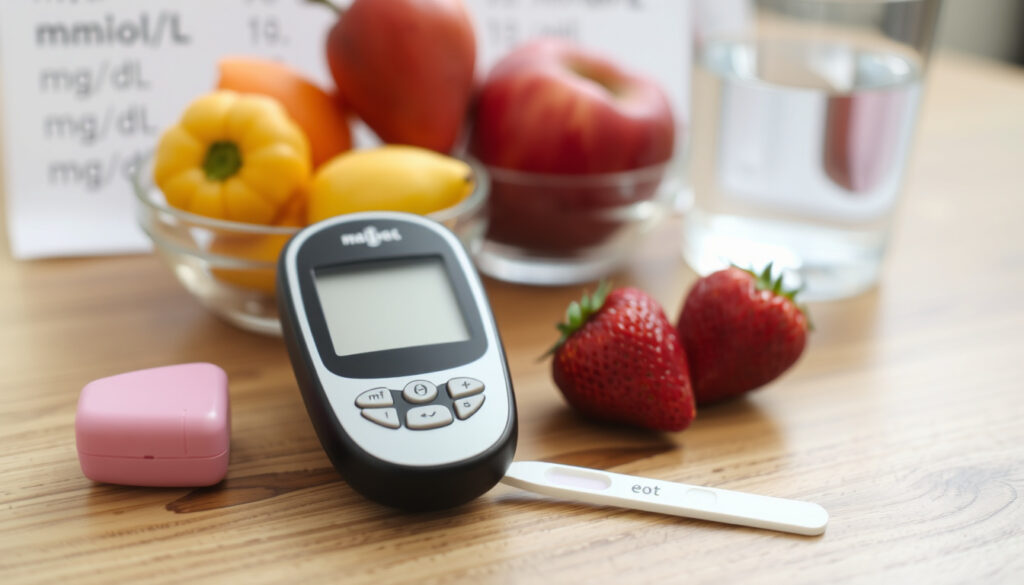
Normal Blood Sugar Levels Chart: Complete Guide (mmol/L & mg/dL)
If you’ve ever stared at a blood sugar reading and wondered whether the number means “fine” or “fire the alarm,” you’re not alone. The confusion often comes from the mix of units (mmol/L vs mg/dL) and slightly different targets from health authorities across the US and UK. This article cuts through the clutter by comparing the official guidelines from the CDC (US public health agency) and the NHS in the UK (NICE), so you can interpret any chart with confidence.
Normal fasting glucose (adults): 4.0 to 5.6 mmol/L (72–100 mg/dL) ·
Pre-diabetes range (fasting): 5.7 to 6.9 mmol/L (100–125 mg/dL) ·
Diabetes diagnosis (fasting): ≥7.0 mmol/L (≥126 mg/dL) ·
HbA1c normal: Below 5.7% ·
HbA1c pre-diabetes: 5.7% to 6.4% ·
HbA1c diabetes: 6.5% or higher
Quick snapshot
- Fasting: 4.0–5.6 mmol/L (CDC)
- HbA1c: <5.7% (CDC)
- Post-meal: <7.8 mmol/L (Diabetes.co.uk)
- Before meals: 4.4–7.2 mmol/L (Healthline (ADA targets))
- After meals: <10.0 mmol/L (Healthline)
- HbA1c: <7.0% (NICE)
- Fasting: 5.7–6.9 mmol/L (PubMed Central)
- HbA1c: 5.7–6.4% (CDC)
- 6.2 mmol/L falls in this range (Virta Health)
- Hypoglycemia: <3.9 mmol/L (CDC)
- Severe: <3.0 mmol/L (CDC)
- Hyperglycemia: >13.9 mmol/L caution (Harvard Health)
Five key markers sum up the spectrum from normal to dangerous.
| Measurement | Normal | Pre-Diabetes | Diabetes |
|---|---|---|---|
| Fasting glucose (mmol/L) | 4.0–5.6 | 5.7–6.9 | ≥7.0 |
| Fasting glucose (mg/dL) | 72–100 | 100–125 | ≥126 |
| HbA1c (%) | <5.7 | 5.7–6.4 | ≥6.5 |
| Post-meal (2h, mmol/L) | <7.8 | 7.8–11.0 | ≥11.1 |
| Post-meal (2h, mg/dL) | <140 | 140–199 | ≥200 |
| Hypoglycemia threshold (mmol/L) | <3.9 (any person) | ||
These thresholds, drawn from the CDC and PubMed Central, show how blood sugar is categorised from safe to abnormal. Sources: CDC, PubMed Central, Diabetes.co.uk.
What is a normal blood sugar level for adults?
Guidelines converge on a fasting range of 4.0–5.6 mmol/L (72–100 mg/dL) for adults without diabetes. The CDC (US public health agency) sets HbA1c below 5.7% as normal. Two hours after a meal, a reading under 7.8 mmol/L (140 mg/dL) is typically considered healthy, according to Diabetes.co.uk.
NHS-recommended targets
- The UK’s NICE (UK health technology authority) uses HbA1c targets: below 42 mmol/mol (6.0%) is normal, 42–47 mmol/mol (6.0–6.4%) is pre-diabetes, and 48 mmol/mol (6.5%) or higher indicates diabetes.
Ireland (HSE) targets
- The Health Service Executive aligns closely with UK guidance, using the same HbA1c thresholds. Fasting glucose targets mirror those of NICE.
ADA targets (mg/dL)
- The American Diabetes Association (ADA) defines normal fasting glucose as 70–99 mg/dL (3.9–5.5 mmol/L). Post-meal glucose should stay below 140 mg/dL.
Normal blood sugar levels by age
- Most guidelines do not adjust targets by age for non-diabetic adults. An exception is pregnancy: Healthline notes a tighter fasting target of 70–95 mg/dL for pregnant people.
HbA1c conversion table
The CDC (US public health agency) provides a simple lookup:
| HbA1c (%) | Estimated average glucose (mg/dL) | Estimated average glucose (mmol/L) |
|---|---|---|
| 5 | 97 | 5.4 |
| 6 | 126 | 7.0 |
| 7 | 154 | 8.6 |
| 8 | 183 | 10.2 |
| 9 | 212 | 11.8 |
| 10 | 240 | 13.3 |
Source: CDC. The pattern: as HbA1c rises, average glucose increases in a steady curve, making this table a practical tool for interpreting lab results.
If your fasting glucose is consistently above 5.6 mmol/L, you may be in the pre-diabetes zone—and early lifestyle changes can cut your risk of progressing to type 2 diabetes by more than half, according to CDC.
What blood sugar level is ok for a type 2 diabetic?
People with type 2 diabetes need tighter control to prevent complications. The ADA (US professional diabetes association) recommends 80–130 mg/dL (4.4–7.2 mmol/L) before meals and below 180 mg/dL (10.0 mmol/L) after meals. The UK’s NICE sets an HbA1c target of 48 mmol/mol (6.5%) for those on diet alone or medications that don’t cause hypos, and 53 mmol/mol (7.0%) for those on insulin or sulfonylureas.
ADA targets for type 2 diabetes
- Pre-meal: 80–130 mg/dL (4.4–7.2 mmol/L)
- Post-meal (1-2h): <180 mg/dL (<10.0 mmol/L)
- HbA1c: <7.0% for most non-pregnant adults
NHS targets for type 2 diabetes
- Fasting: 4.0–7.0 mmol/L (individualised)
- HbA1c: 48 mmol/mol (6.5%) for most; 53 mmol/mol (7.0%) if hypo risk
Fasting vs post-meal targets
- Fasting readings reflect baseline control; post-meal spikes above 10.0 mmol/L signal a need for medication or dietary adjustment.
Long-term HbA1c targets
- The Harvard Health emphasises that an HbA1c under 7.0% is associated with a lower risk of microvascular complications, but targets should be personalised.
Is 6.2 borderline diabetic?
A fasting glucose of 6.2 mmol/L (about 112 mg/dL) falls squarely in the pre-diabetes range under CDC and PubMed Central criteria. Pre-diabetes is defined as fasting glucose 5.7–6.9 mmol/L (100–125 mg/dL) or HbA1c 5.7–6.4%. So yes, 6.2 mmol/L is borderline—it’s an early warning signal.
What a fasting glucose of 6.2 mmol/L means
- It indicates that your body’s insulin sensitivity is impaired. Lifestyle changes—diet, exercise, weight loss—can often bring it back to normal.
HbA1c equivalent of 6.2 mmol/L
- Using the CDC conversion, an estimated average glucose of 6.2 mmol/L corresponds to an HbA1c of about 5.2%–5.4%—still in the normal range if you’re going by HbA1c alone. This discrepancy is why doctors often use both tests.
Pre-diabetes vs diabetes diagnosis thresholds
- Diabetes is diagnosed at fasting ≥7.0 mmol/L (≥126 mg/dL) or HbA1c ≥6.5%. A reading of 6.2 mmol/L is below the diabetes threshold but above normal, putting you in the actionable pre-diabetes zone.
Whether 6.2 mmol/L without other risk factors requires medication is debated. The CDC notes that metformin may be considered for those with both pre-diabetes and additional risks (age <60, BMI ≥35, history of gestational diabetes, or elevated triglycerides).
What two fruits should a diabetic avoid?
No fruit is completely off-limits, but some spike blood sugar more than others. The Diabetes UK (UK charity) advises limiting fruits with a high glycemic index, such as watermelon and pineapple. Dried fruits and fruit juices concentrate sugar and should be eaten sparingly.
Fruits to limit (e.g., dried fruit, fruit juice)
- Dried dates, raisins, and fruit juices raise glucose rapidly due to low fiber and high sugar density.
Better fruit choices for diabetes
- Berries (strawberries, blueberries), apples, pears, and citrus fruits have lower glycemic impact and provide fiber.
Porridge vs Weetabix: glycemic impact
- Porridge made from rolled oats has a lower glycemic index than instant cereals. Diabetes UK recommends choosing whole-grain oats and avoiding added sugar.
Are Heinz baked beans acceptable?
- Heinz baked beans (reduced sugar) can be part of a balanced meal due to their fiber and protein content. The Diabetes UK includes them in the “pulses” category, which has a low glycemic index.
What level of blood sugar is dangerous?
Both very low and very high blood sugar require immediate attention. The CDC (US public health agency) defines hypoglycemia as below 3.9 mmol/L (70 mg/dL), with severe hypoglycemia below 3.0 mmol/L (54 mg/dL). On the high end, hyperglycemia above 13.9 mmol/L (250 mg/dL) demands caution, and levels above 16.7 mmol/L (300 mg/dL) can trigger diabetic ketoacidosis in type 1 diabetes.
Dangerously low blood sugar (hypoglycemia)
- Below 3.9 mmol/L: you may feel shaky, confused, or dizzy. Eat fast-acting glucose (juice, glucose tablets) immediately.
Dangerously high blood sugar (hyperglycemia)
- Above 13.9 mmol/L: check for ketones and seek medical advice if vomiting or confusion occurs.
Emergency thresholds for type 2 diabetes
- Persistent fasting readings above 13.9 mmol/L or a single reading above 16.7 mmol/L with symptoms warrants emergency care.
When to seek medical help
- If you cannot keep food down, have ketones in urine, or blood sugar stays above 16.7 mmol/L for more than 2 hours, call your healthcare provider immediately.
Hypoglycemia unawareness—not feeling symptoms until levels drop below 3.0 mmol/L—is a real risk for people on insulin. The CDC advises frequent monitoring if you’ve had a recent severe low.
Confirmed facts & what’s unclear
Confirmed facts
- Fasting glucose ≥7.0 mmol/L on two separate tests indicates diabetes (CDC).
- HbA1c ≥6.5% indicates diabetes (CDC).
- Hypoglycemia is defined as <3.9 mmol/L by most guidelines (CDC).
What’s unclear
- Optimal post-meal targets vary: ADA says <10.0 mmol/L, some European guidelines use <7.8 mmol/L for non-diabetics.
- Whether 6.2 mmol/L alone requires medication is debated; the PubMed Central review notes that lifestyle modification is first-line.
Expert perspectives
“An A1C of 6.2% falls in the prediabetes range. It corresponds to an estimated average glucose of about 131 mg/dL.”
— CDC (US public health agency)
“NICE recommends that many adults with type 2 diabetes aim for an HbA1c of 48 mmol/mol (6.5%) when managed by diet alone or with medicines not associated with hypoglycaemia.”
— NICE (UK health technology authority)
“For people with diabetes, the ADA recommends pre-meal glucose 80 to 130 mg/dL and post-meal glucose below 180 mg/dL.”
— Healthline (citing ADA guidelines)
For anyone managing or monitoring blood sugar, the landscape is clearer than it feels at first glance. The thresholds are well-defined, but the individual context—medication, lifestyle, pregnancy, age—matters enormously. The trade-off is between strict targets and quality of life, and it’s a balance you and your doctor must strike. For the reader in Ireland or the UK, the NHS and HSE frameworks offer a solid foundation; for those in the US, the ADA and CDC provide the benchmarks. The choice is not which guideline to follow, but how to translate the numbers into daily habits that keep you out of the danger zones and in the range that works for you.
Related reading: What Is Bipolar Disorder? Symptoms, Types, Causes & Treatment · How Much Magnesium Per Day for a Woman? Dosage Guide by Age
boltpharmacy.co.uk, nutrisense.io, youtube.com, veri.co, unitypoint.org
For a quick reference tailored to UK guidelines, the NHS-recommended blood sugar chart provides clear mmol/L readings for adults.
Frequently asked questions
Can stress raise blood sugar levels?
Yes. Stress hormones like cortisol cause the liver to release more glucose, which can push readings above normal. The CDC notes that both physical and emotional stress can elevate blood sugar.
What is the difference between mmol/L and mg/dL?
They are two units measuring the same thing. To convert: multiply mg/dL by 0.0555 to get mmol/L. For example, 100 mg/dL ≈ 5.6 mmol/L. Most of the world uses mmol/L; the US uses mg/dL.
How often should you check your blood sugar if you have type 2 diabetes?
If on insulin, typically before meals and at bedtime. If on oral medications only, your doctor may recommend once or twice daily. The NICE advises individualised testing schedules.
Does exercise lower blood sugar immediately?
Yes. Physical activity helps muscle cells use glucose, lowering blood sugar for up to 24 hours. However, intense exercise can initially raise glucose due to adrenaline. The CDC recommends checking before and after exercise.
What is the HbA1c test and how often is it done?
HbA1c measures average blood glucose over the past 2–3 months. It is typically measured every 3–6 months for people with diabetes, and annually for those at risk. Harvard Health calls it the standard for long-term monitoring.
Can drinking water lower blood sugar?
Drinking water helps your kidneys flush out excess glucose through urine, but it won’t drastically lower a high reading. Staying hydrated is a supportive habit, not a treatment.
Is it normal for blood sugar to rise after eating?
Yes. A rise to less than 7.8 mmol/L (140 mg/dL) at 2 hours post-meal is normal for people without diabetes. Higher spikes may indicate impaired glucose tolerance.
More related posts
 Best Budget Mechanical Keyboards: Top Picks & Answers
 How to Reduce Anxiety Naturally: Fast and Long-Term Relief
 The Last of Us Season 3: Release Date, Cast & News
 Madrid Derby: Atlético Madrid vs Real Madrid Guide
 Little Fires Everywhere Episodes: Full Guide and Questions Answered
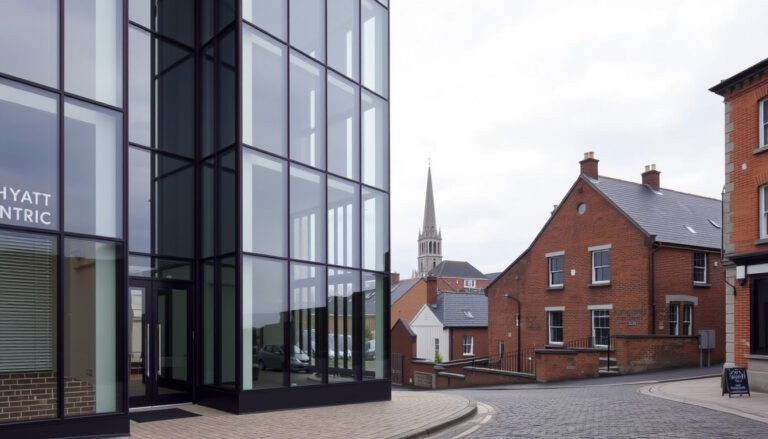 Hyatt Centric The Liberties Dublin: Review & Area Guide
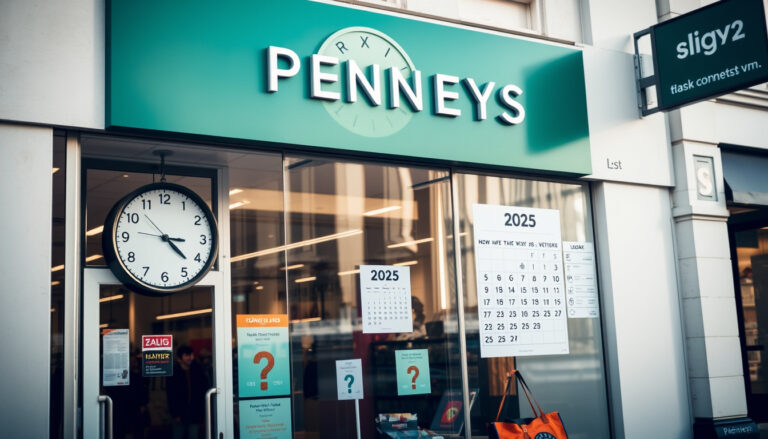 Penneys Sligo Opening Hours: Complete Guide for 2025
 Best Time to Post on Instagram in 2026: Data & Strategy